

How to Calculate Lawn Size for Robot Mower
Accurately measuring your lawn area is the first step to choosing a robot mower that won't run out of battery or leave patches. Here's how to do it.
We independently review everything we recommend. When you buy through our links, we may earn a commission. As an Amazon Associate we earn from qualifying purchases. Learn more ›
Accurately measuring your lawn area is the first step to choosing a robot mower that won't run out of battery or leave patches. Here's how to do it.

Choosing the right size robot mower depends on your lawn area, terrain, and battery runtime. Here's how to match the mower to your yard.

Robot mower cameras can detect animals, but their effectiveness depends on the type of camera, software, and lighting conditions. Here's how they work and what limits them.

Robot mowers detect obstacles using a mix of sensors. Here's how bumper, infrared, ultrasonic, lidar, and camera systems work together to keep your mower safe.
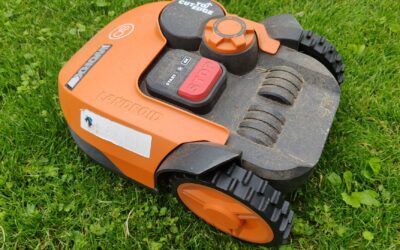
Vision robot mowers use cameras and computer vision to navigate your lawn without boundary wires. Here's how they work and what to know before buying one.

Yes, LiDAR robot mowers work at night because they use laser scanning, not cameras, so darkness doesn't affect navigation. Learn how they manage and what to consider.

LiDAR robot mowers can work under trees, but success depends on canopy density, branch height, and system design. Here is what you need to know.

LiDAR robot mowers do not need GPS to navigate. They create their own maps using laser scanning. Here is how they work and when GPS might be useful.
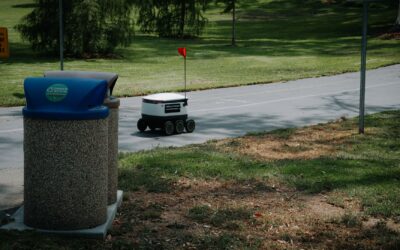
LiDAR robot mowers are highly accurate in most conditions, but several real-world factors can reduce precision. Here's what to check first.

LiDAR robot mowers use laser pulses to map your lawn and navigate without boundary wires. Here is exactly how the technology works and what it means for your yard.