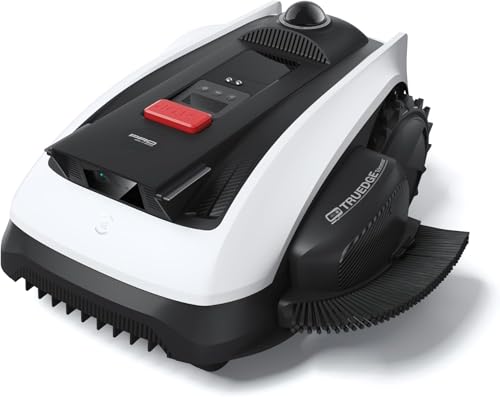
Yes, robot mower cameras can detect animals, but the accuracy varies widely depending on the camera system, object detection software, and environmental factors. Most camera equipped mowers use monocular or stereo cameras combined with machine learning algorithms to recognize pets, wildlife, and even humans. However, they are not infallible small animals like rabbits or frogs may be missed, and lighting or weather conditions can reduce detection rates. Understanding the limitations helps you set realistic expectations for your robotic mower’s safety features.
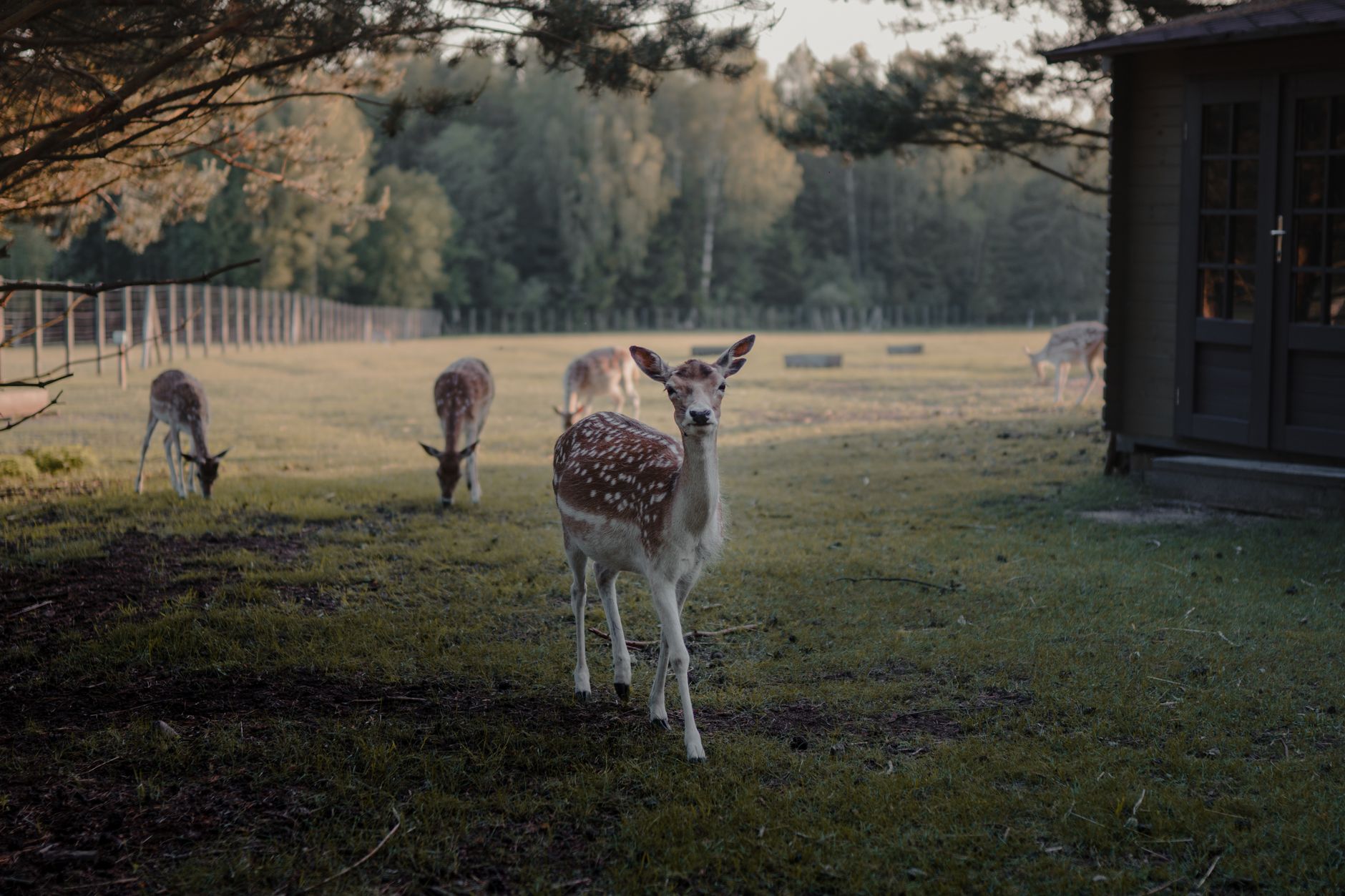
How Robot Mower Cameras Detect Animals
Robot mowers with cameras typically rely on visual data processed by onboard artificial intelligence. The camera captures images of the lawn, and the software compares them to a database of known objects. When the AI recognizes a shape that matches a pet or wild animal, it triggers the mower to stop or change direction. This process happens in milliseconds, but its success depends on the quality of the camera and the training data.
Some high end models use two cameras for depth perception, which helps distinguish a flat rock from a curled up hedgehog. However, edge cases like a very still animal or a small creature partially hidden by grass can still confuse the system.
Common Limitations of Animal Detection Cameras on Robot Mowers
Lighting conditions are a major factor. In bright sunlight, shadows can trick the camera into thinking a moving leaf is an animal. At dusk or dawn, low light reduces the camera’s ability to see clearly, and many robot mowers do not have night vision. If your mower operates near sunrise or sunset, animal detection reliability drops significantly.
Camera resolution also matters. A low resolution camera may not capture enough detail to identify a small animal like a toad or a snake. Weather like rain, fog, or snow can obscure the lens, further degrading performance.
What Types of Animals Can Robot Mower Cameras Detect?
Most systems are trained on common domestic pets such as dogs and cats, as well as wildlife like rabbits, squirrels, and deer. Some premium models claim to recognize birds and even turtles, but the training data for less common animals is thinner. Hedgehogs, for example, are a frequent concern in Europe, yet not all mower cameras are calibrated to spot them reliably.
The detection range is also limited. A camera sees only what is directly in front of the mower. An animal approaching from the side or behind may not be detected until it is very close, which could still result in a collision.
How Software Algorithms Affect Detection Accuracy
The AI software powering the camera is constantly updated by manufacturers. Over time, the algorithm learns from real world encounters and improves. However, older mowers may not receive updates, leaving them stuck with a static database. If you own an older model, its animal detection may be less effective than current generation devices.
Some brands offer cloud based updates that push new recognition profiles periodically. Others rely on the onboard memory and cannot be upgraded. Check your mower’s update policy to know if you can expect improvements.
Comparing Camera Based Detection to Other Safety Systems
Camera based animal detection is not the only safety mechanism. Many robot mowers also use bump sensors, ultrasonic sensors, or radar. Bump sensors only react on contact, which means the animal is already hit. Ultrasonic sensors can detect objects nearby but struggle with small animals. Cameras offer non contact detection, but they are more susceptible to environmental noise.
For heavy brush or tall grass, both cameras and other sensors have trouble. The blade proximity becomes a risk regardless of detection method.
How to Improve Animal Detection on Your Robot Mower
- Keep the camera lens clean and free of debris, grass clippings, or mud.
- Schedule mowing during midday when lighting is most consistent and shadows are minimal.
- Update your mower’s software if the manufacturer provides firmware updates for object detection.
- Mow at a higher cutting height to give animals more clearance under the deck.
- Supervise the first few runs to see how your specific model reacts to animals in your yard.
If you want to understand how your robot mower’s navigation system affects its ability to avoid obstacles and animals, reading about RTK technology can help. Check out our guide on how accurate RTK robot mowers are and what factors influence precision.
Frequently Asked Questions
Can robot mower cameras detect snakes?
Some advanced systems have been trained to recognize snake shapes, but it is not a standard feature. Most cameras treat any elongated object as a stick or root, so a snake may pass undetected. Bump sensors would trigger only upon contact, which is not ideal.
Do robot mowers with cameras still run over small animals?
Yes, it is possible. Small animals like frogs, mice, or baby rabbits can be missed by the camera if they are motionless or hidden. The mower’s blades may still injure them. No system is 100% foolproof, so it is wise to inspect your yard before each mow.
Are camera equipped robot mowers safe for pets?
Generally, they are safer than models without cameras because they can stop before hitting a pet. However, you should still supervise your dog or cat during the first few mows. The detection works best on larger animals in good lighting.
Can a robot mower’s camera see at night?
Most robot mower cameras are not equipped with night vision or infrared sensors. They rely on ambient light. If you mow at dusk or dawn, detection accuracy drops. Some newer models are adding supplemental lighting, but it is not yet common.
Does the camera work in rain or fog?
Rain and fog reduce visibility and can cause the camera to misinterpret objects. Water droplets on the lens blur images, and fog scatters light. It is best to avoid mowing in wet conditions for both detection and safety reasons.
Related Guides
Closing Thoughts
Robot mower cameras can indeed detect many animals, but they are not a perfect shield. Their effectiveness depends on camera quality, software, and environment. For a deeper understanding of how your mower navigates and avoids obstacles, our article on how GPS robot lawn mowers work explains the underlying technology that complements camera systems.