
Your robot mower’s RTK signal is blocked by trees because the dense canopy, trunks, and leaves physically obstruct the satellite line of sight or degrade the correction data from the base station. Trees absorb and scatter the radio waves that RTK systems rely on, especially when the canopy is thick or the satellites are low on the horizon. This disruption causes the mower to lose centimeter-level accuracy and may force it into a safety stop or erratic wandering.
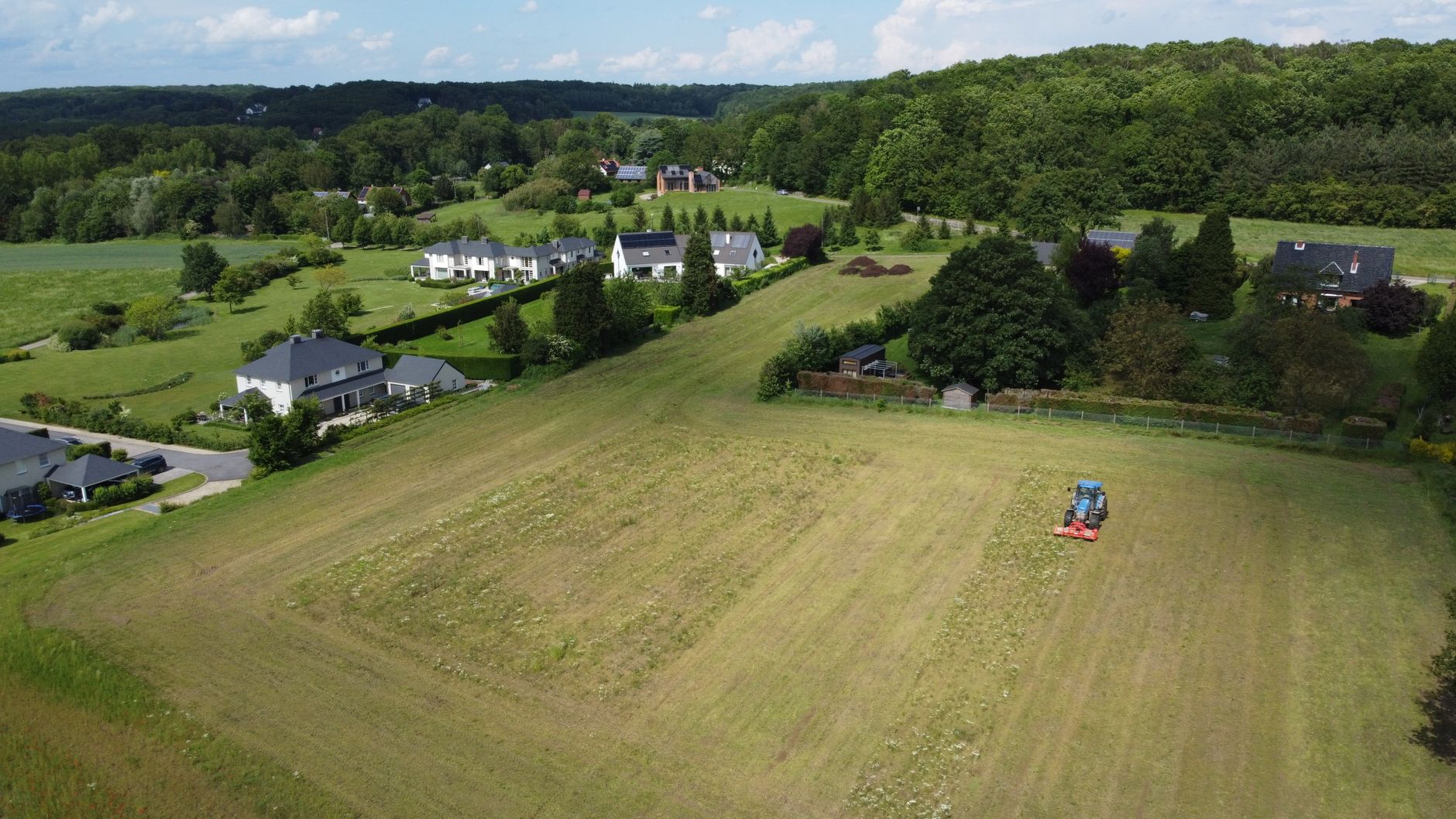
Dense Tree Canopy Blocks Satellite Signals
The most common cause of an RTK signal blocked by trees is a thick overhead canopy. Even a single large tree with a broad crown can reduce the number of visible satellites enough to drop the fix. If your mower works well in open areas but fails under or near a cluster of trees, the canopy is the likely culprit.
Evergreen trees with dense foliage are especially problematic because they block signals year-round. Deciduous trees may be less of an issue in winter, but once leaves emerge in September, the blockage returns. The mower’s GPS receiver needs a clear view of at least four to six satellites for reliable RTK positioning.
Low Satellite Elevation and Horizon Obstruction
Satellites near the horizon are already weaker because their signals travel through more atmosphere. Trees on the horizon line, even if not directly overhead, can block these low elevation satellites. A mower working near a tree line at the edge of your yard may lose its RTK fix even if the immediate area appears open.
The base station’s antenna also matters. If the base station is placed near trees or on a low roof, its own view of the sky may be compromised, sending poor correction data to the mower. The result is a signal that degrades or drops entirely when the mower moves close to the tree line.
Multipath Interference from Tree Trunks and Branches
Even when a satellite is visible, signals can bounce off tree trunks, branches, and large leaves before reaching the mower’s antenna. This multipath effect confuses the receiver, causing position errors or a complete loss of the RTK solution. The mower may appear to have a signal but navigate inaccurately, cutting in the wrong places or stopping.
Multipath interference is harder to diagnose because the signal strength meter may still show several satellites. The real issue is the quality of the correction data, not the quantity of satellites. Moving the mower a few feet away from a trunk can sometimes restore the fix.
Seasonal and Weather Effects on Signal Strength
Leaves are not the only seasonal factor. Wet foliage, rain, and even heavy fog can attenuate the radio signals, making an already marginal connection fail. In 2026, many robot mower owners report that their RTK signal is blocked by trees more often during spring and summer rains than in dry conditions.
Snow on branches also adds weight and density, further blocking the signal. If your mower worked fine in the fall but struggles in winter, snow accumulated on evergreen branches may be the cause. The fix may be as simple as waiting for the snow to melt or clearing the worst branches.
Base Station Placement and Antenna Height
The RTK base station must have a clear, unobstructed view of the sky to send accurate corrections. If the base station is mounted too low, near a tree line, or on a roof that is itself shaded by trees, the correction data will be weak. The mower may then lose its fix even in open areas of the lawn.
Moving the base station to a higher, more open location, such as a chimney mount or a pole above the tree line, can dramatically improve performance. Some users achieve this by installing a dedicated mast. The goal is to maximize the base station’s satellite visibility, which in turn gives the mower a stronger signal.
How to Fix an RTK Signal Blocked by Trees
- Trim back overhanging branches to create a larger opening in the canopy above the mower’s work area.
- Relocate the RTK base station to the highest, most open spot on your property, ideally above any tree line.
- If relocation is not possible, consider using a signal repeater or extender (if your mower system supports it).
- Wait for seasonal changes: deciduous trees will lose leaves in autumn, which can restore signal temporarily.
- Check the satellite constellation geometry using a GPS planning app to avoid times when satellites are low.
Understanding the root cause of a blocked signal helps you choose the right fix. For a deeper dive into how RTK positioning works and what affects its accuracy, see our explanation of RTK robot mower accuracy. That article covers the factors that influence precision, which is directly related to the signal issues described here.
Frequently Asked Questions
Can I mount the RTK base station on a roof to avoid tree blockage?
Yes, a roof mount is often the best solution because it lifts the antenna above ground-level obstructions. Ensure the roof itself is not shaded by trees and that the mount is sturdy enough to withstand wind. A mast or chimney mount works well.
Will leaves on the ground affect the RTK signal?
No, leaves on the ground do not block the signal because the antenna is on the mower’s top deck. The issue is overhead foliage, not debris on the lawn. However, wet leaves on the mower’s antenna could theoretically cause minor attenuation, but it’s rarely a significant factor.
Does the number of trees matter, or just the canopy density?
Both matter. A single large tree with a dense canopy can block the signal just as effectively as many smaller trees with a combined dense canopy. The key is the total percentage of sky obscured. Even a few trees with thick foliage can cause a loss of fix.
Can I use a GPS signal booster for my robot mower?
Most consumer robot mowers do not support external GPS boosters. However, some systems allow adding an RTK relay or repeater that extends the correction signal. Check your specific mower’s manual or support documentation for compatibility. Aftermarket solutions are rare.
Related Guides
- Robot Mower Losing GPS Signal
- How to Improve Robot Mower RTK Signal
- Mammotion LUBA Lawn Mower 2026
- Best LUBA 3 AWD for Steep Slopes in
Closing
When your robot mower’s RTK signal is blocked by trees, the fix usually involves improving the base station’s sky view or trimming overhead branches. For a complete understanding of how these systems work, read our guide on what RTK is on a robot lawn mower, it explains the technology behind the signal you are trying to protect.




![Does Robot Mower Need WiFi in Entire Yard? [2026 Guide]](https://robotmowerpicks.com/wp-content/uploads/auto-hero-3782-310ab0c4-400x250.jpg "Does Robot Mower Need WiFi in Entire Yard? [2026 Guide] 9")