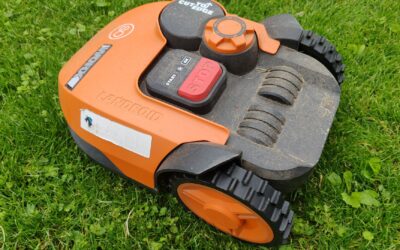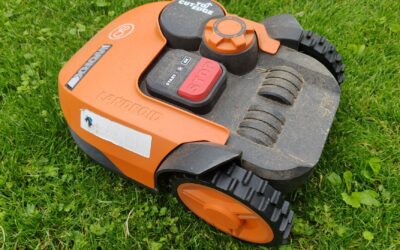
Yes, robot lawn mowers are generally safe for dogs when used properly. Most models are designed with multiple safety features, including blade stop systems that halt the blades the moment the mower is lifted or tipped over. However, the real safety depends on how you set up the mower and supervise your pet during operation. Understanding the potential risks and how to mitigate them is essential for any dog owner considering one of these devices.
How Robot Mowers Can Pose a Risk to Dogs
The primary danger from a robot mower is physical contact with the blades. While the blades are small and not as sharp as those on a traditional mower, they can still cause cuts or injuries if a dog gets too close. The mower’s sensors are designed to detect obstacles, but a small, fast-moving dog might not be recognized in time, especially if the mower is older or has limited detection capabilities.
Another risk involves the mower’s collision detection. When the mower bumps into an object, it reverses and turns. A dog that is lying down or sleeping in the grass might not trigger the sensors, leading to the mower running over the animal. Although the blades stop quickly, the impact itself can startle or injure a small dog.
Safety Features That Protect Your Dog
Most modern robot mowers come with a range of safety features designed to prevent accidents. The most important is the blade stop system, which stops the blades within seconds of the mower being lifted or tilted. This means if your dog accidentally tips the mower, the blades will not continue spinning.
Many models also include obstacle detection sensors, such as bump sensors and infrared or ultrasonic sensors, that help the mower avoid animals and objects. Higher end mowers may have camera based systems that can recognize pets and avoid them proactively. However, no system is foolproof, so supervision is still recommended.
The Role of Boundary Wires and Virtual Fences
Boundary wires are used to define the mowing area and keep the mower within certain boundaries. For dog safety, you can use these wires to create exclusion zones around areas where your dog frequently rests or plays. This prevents the mower from entering those zones entirely.
Some mowers also support virtual fences or no go zones set via a smartphone app. These allow you to create invisible barriers without physical wires. This is particularly useful for protecting a dog bed, a water bowl, or a favorite shady spot. Always check the mower’s manual to understand how to set up these zones correctly.
Size and Breed Considerations for Dog Safety
The size and breed of your dog can influence the level of risk. Small dogs, especially those that are low to the ground, are more vulnerable because they may not trigger the mower’s sensors as easily. A Chihuahua or a Dachshund lying in tall grass might be invisible to the mower’s bump sensors.
Large dogs, on the other hand, are more likely to be detected and avoided. However, they may also be curious and try to interact with the mower, which could lead to accidental tipping or scratches. Terriers and herding breeds are particularly prone to chasing or nipping at moving objects, so you should monitor them closely during the first few mowing cycles.
How to Introduce Your Dog to a Robot Mower
Introducing your dog to a robot mower gradually can help reduce anxiety and prevent accidents. Start by letting your dog see the mower while it is stationary, and reward calm behavior with treats. Then, run the mower for a few minutes in a supervised area while your dog is inside the house, so they can hear the sound without being directly exposed.
Once your dog seems comfortable, let them observe the mower from a safe distance while it operates. Never force interaction. If your dog shows signs of fear or aggression, such as barking or lunging, keep them separated for a few more days and try again. Patience is key to a successful introduction.
What to Do If Your Dog Gets Injured
If your dog is injured by a robot mower, the first step is to stay calm and assess the injury. Minor cuts can be cleaned with mild soap and water and covered with a clean bandage. However, any wound that is deep, bleeding heavily, or located near the eyes, mouth, or genitals requires immediate veterinary attention.
You should also check the mower for any damage or blood, as this may indicate the severity of the impact. Contact your veterinarian for guidance, even if the injury seems minor, because some blade cuts can become infected. Keep the mower off until you have resolved the situation and addressed any safety gaps.
How to Fix Potential Safety Issues
- Supervise the mower during its first few runs to see how your dog reacts.
- Set up boundary wires or virtual no go zones around your dog’s favorite spots.
- Choose a mower with a reliable blade stop system and obstacle detection.
- Keep your dog indoors or in a separate area while the mower is operating.
- Introduce the mower gradually to reduce fear and curiosity.
For a deeper look at how robot mowers detect obstacles and animals, check out our guide on how robot mower obstacle detection works. Understanding this technology can help you choose a model that offers the best protection for your pet.
Related Guides
- Best ECOVACS Robot Mower Reviews for 2026
- Robot Mower Losing GPS Signal
- Does Robot Lawn Mower Need WiFi?
Frequently Asked Questions
Can a robot mower cut a dog’s paw?
Yes, it is possible if the dog steps directly onto the mower while the blades are spinning. However, most mowers have a blade stop system that halts the blades within seconds of the mower being lifted. The risk is low but not zero, especially with small or curious dogs.
Do robot mowers scare dogs?
Some dogs are initially scared of the mower’s movement and noise, while others are curious. A gradual introduction, as described above, can help most dogs become accustomed to the mower. If your dog remains fearful, consider scheduling mowing times when the dog is not in the yard.
Are robot mowers safe for puppies?
Puppies are more vulnerable than adult dogs due to their small size and curious nature. It is safest to keep puppies indoors or in a secure area away from the mowing zone until they are older and better able to understand boundaries. Supervision is essential for any puppy around a robot mower.
Can a robot mower run over a dog?
If a dog is lying down and not moving, the mower may not detect it and could drive over the animal. The mower’s weight is typically between 10 and 30 pounds, so the impact is usually not harmful, but the blades stopping quickly is the main safety feature. To prevent this, keep dogs away from the mowing area.
Do robot mowers have pet detection?
Some higher end models use camera or sensor based systems that can recognize pets and avoid them. However, this feature is not standard on all mowers. Check the product specifications for terms like “pet detection” or “animal avoidance” to see if a specific model offers it.
In summary, robot lawn mowers are generally safe for dogs when used with proper precautions. By understanding the risks and setting up your mower correctly, you can enjoy a well maintained lawn without compromising your pet’s safety. For more information on how mowers detect obstacles, read our article on how robot mower obstacle detection works.


![Does Robot Mower Need WiFi in Entire Yard? [2026 Guide]](https://robotmowerpicks.com/wp-content/uploads/auto-hero-3782-310ab0c4-400x250.jpg "Does Robot Mower Need WiFi in Entire Yard? [2026 Guide] 7")