The robot mower RTK antenna range is not a fixed number; it depends on antenna height, line of sight to the base station, and environmental obstacles like trees or buildings. In typical suburban settings, you can expect reliable coverage within a few hundred feet, but this can vary significantly. Factors such as the base station’s placement and the mower’s receiver quality also play a role. Understanding these variables helps you optimize your setup for consistent RTK signal.

Antenna Height and Placement
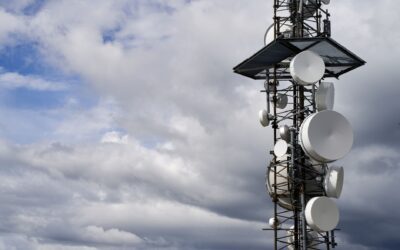
RTK antennas work best when they have a clear view of the sky. The higher you place the antenna, the more it can see satellites and communicate with the base station. For a robot mower, the antenna is often built into the unit, but the base station’s antenna height matters just as much.
Mounting the base station antenna on a pole or roof can significantly increase range. Even a few feet of elevation can make a noticeable difference. If your mower loses signal in certain areas, check if the antenna is blocked by the mower’s own body or nearby objects.
Line of Sight and Obstacles
RTK relies on a radio link between the base station and the mower. Obstacles like dense trees, walls, or large metal structures can weaken or block the signal. Unlike GPS, which only needs a view of the sky, RTK uses a local radio link that is more sensitive to physical barriers.
If your yard has thick foliage or a building between the base station and the mower, you may experience dropouts. Positioning the base station to minimize obstacles can help. Sometimes, moving the base station to a higher or more central location is all that’s needed.
Base Station Location
The base station is the reference point for RTK corrections. Its location directly affects the robot mower RTK antenna range. Ideally, place the base station in a spot with a clear view of the entire working area and away from interference sources.
If the base station is too far from the mower’s operating area, the radio link may weaken. Most consumer RTK systems have a nominal range of 300 to 600 meters, but real-world conditions often reduce that. Keeping the base station within 100-200 meters of the mower’s typical path is a good practice.
Interference from Other Electronics
Wi-Fi routers, Bluetooth devices, and other radio transmitters can interfere with the RTK radio link, especially if they operate on similar frequencies. This is more common in dense urban areas or homes with many connected devices.
If you notice sporadic signal loss, try turning off nearby electronics temporarily. Also, ensure the base station and mower are not placed near large metal objects or electrical panels, which can cause electromagnetic interference.
Weather Conditions
Heavy rain, snow, or fog can attenuate the RTK radio signal, reducing range. While the effect is usually minor, extreme weather may cause temporary dropouts. The mower’s GPS receiver is also affected by weather, but the RTK link is more sensitive.
In most cases, weather-related range reduction is temporary and improves once conditions clear. If you experience persistent issues, check if the antenna connections are watertight and if the base station is protected from direct exposure.
Mower’s GPS Receiver Quality
The quality of the GPS receiver on the robot mower influences how well it can process RTK corrections. Higher-end receivers with more channels can maintain lock longer and at greater distances. However, this is a design choice built into the mower.
If you suspect the receiver is the limiting factor, consider that most modern RTK mowers are designed for typical lawn sizes. If your property is very large or has challenging terrain, you may need to evaluate the mower’s specifications before purchase.
How to Fix or Improve RTK Antenna Range
- Raise the base station antenna to a higher elevation, such as a roof or pole.
- Relocate the base station to a central, obstacle-free position.
- Reduce interference by turning off nearby electronics during operation.
- Trim back dense foliage or use a signal repeater if obstacles are unavoidable.
- Check weather conditions and wait for improvement if range drops temporarily.
- If the mower’s receiver is low-end, consider upgrading to a model with better GPS capabilities.
For a deeper look at what affects RTK positioning accuracy and how to evaluate your mower’s performance, read our guide on how accurate RTK robot mowers are. That article covers the precision aspects that complement range considerations.
Top-Rated RTK Antenna Mounts
A sturdy mount makes it much easier to keep the RTK antenna high, level and clear of obstructions. These well-reviewed options fit popular robot mowers.


Pros
- Reduces antenna sway for stable and reliable signal
- Improves RTK guidance accuracy for robotic mowers
- Sturdy construction ensures durability in outdoor environments
- Easy to install on vertical surfaces without specialized tools
- Compact dimensions fit tight spaces without being obtrusive
Cons
- Compatible only with Ecovacs Goat A/O RTK antenna, not universal
- No user reviews yet to confirm long-term performance
- May require additional mounting hardware for certain surfaces like brick or wood
The zbajeuf Wall Mount Bracket is designed specifically for the Ecovacs Goat A/O RTK antenna, providing a secure mounting solution for vertical surfaces. It is ideal for homeowners and landscapers using robotic mowers who need reliable GPS signal reception for precise navigation.
This bracket reduces pole sway, which is a common issue with standard antenna mounts, leading to more consistent signal stability. Users can expect improved RTK guidance accuracy, translating to better mower path planning and fewer navigation errors.
Constructed from sturdy materials, the bracket is built to withstand outdoor conditions. Its compact dimensions (5 x 3 x 5 inches) and black finish allow it to blend seamlessly with most walls or fences. Installation is straightforward, requiring no specialized tools.
One limitation is its specific compatibility; it only works with the Ecovacs Goat A/O RTK antenna. Additionally, as a new product without customer reviews, long-term durability is unverified. Some users may need to purchase additional mounting hardware depending on the surface.
Overall, if you own an Ecovacs Goat A/O RTK mower and want to enhance antenna stability, this bracket is a practical choice. Its focus on reducing sway and simplifying installation addresses key pain points. While not universal, it serves its intended purpose effectively.


Pros
- Sturdy construction with six bolts providing firm support for the antenna pole
- Easy to install on various wall types such as wood, brick, or concrete
- Keeps antenna off the ground, reducing tripping hazards and interference with mowing
- Affordable solution compared to buying a complete antenna mounting kit
- Helps maintain a consistent antenna position for reliable RTK signal reception
Cons
- Third-party accessory, not officially endorsed by Segway or Navimow
- Only fits 25.5mm diameter poles, so verify your antenna's pole size before purchase
- May require drilling pilot holes and using appropriate wall anchors for secure mounting
The KDYVBS RTK Antenna Wall Mount is a practical accessory for owners of Segway Navimow robot mowers who want to elevate their antenna from ground level. Designed to hold a 25.5mm pole, this mount moves the antenna to a fixed wall location, keeping it out of the way and ensuring consistent signal reception. It is ideal for garages, sheds, or exterior walls near the mower's charging station.
Standout features include the use of six M6 bolts and nuts for secure fastening, providing a sturdy hold that resists wind and accidental bumps. The mount is easy to assemble and install, with all necessary hardware included. Real-world performance benefits from the elevated position, which reduces the risk of the antenna being knocked over or interfering with the mower's path.
Build quality is solid for a third-party accessory, with a durable black finish that blends well with most environments. The mount's dimensions (3.15 x 5.91 x 2.13 inches) are compact, fitting neatly on walls without protruding excessively. Installation requires basic drilling and mounting, but the process is straightforward for DIY users.
A potential drawback is that this mount is specifically for 25.5mm poles, so you must check your antenna's pole diameter. Additionally, as a third-party product, it is not officially endorsed by Segway or Navimow, though compatibility is claimed. Some users may need to purchase wall anchors separately for certain wall types.
Overall, the KDYVBS RTK Antenna Wall Mount offers a cost-effective and reliable way to organize your Navimow setup. It solves the common problem of a ground-level antenna by providing a secure wall-mounted solution. For robot mower owners looking to tidy up their equipment area, this mount is a worthwhile investment.
Frequently Asked Questions
What is the typical range of an RTK antenna on a robot mower?
Most consumer RTK systems have a nominal range of 300 to 600 meters under ideal conditions, but real-world range is often less. Obstacles, antenna height, and interference can reduce it to 100-200 meters. Always check the manufacturer’s specifications for your specific model.
Does the weather affect RTK signal range?
Yes, heavy rain, snow, and fog can attenuate the radio signal, temporarily reducing range. The effect is usually minor and temporary. If you experience persistent issues during bad weather, check antenna connections and consider moving the base station to a sheltered location.
Can I extend the RTK antenna range on my robot mower?
You can improve range by raising the base station antenna, reducing obstacles, and minimizing interference. Some systems allow external antenna upgrades, but that is model-specific. The most effective method is optimizing the base station placement for maximum line of sight.
Why does my robot mower lose RTK signal in certain areas of my yard?
Loss of signal is often due to physical obstacles like trees, walls, or a building blocking the line of sight between the base station and the mower. It can also be caused by interference from other electronics. Try moving the base station to a more central location or trimming back foliage.
Related Guides
- Robot Mower RTK Signal Blocked By Trees
- Robot Mower Losing GPS Signal
- Best LUBA 3 AWD for Large Lawn in 2026
Closing
Your robot mower RTK antenna range is influenced by several controllable factors, from antenna height to environmental obstacles. By optimizing the base station placement and minimizing interference, you can achieve reliable coverage across your lawn. For a complete understanding of how RTK systems work, read our explanation of what RTK is on a robot lawn mower.