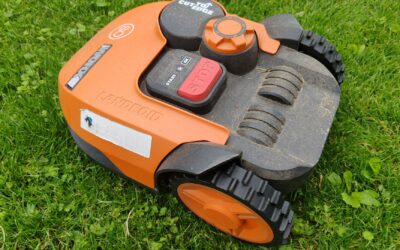
Direct Answer: How Robot Mower Obstacle Detection Works
Robot mower obstacle detection works by combining multiple sensor types to identify objects in the mowing path. Most modern robot mowers use a layered approach: a bump sensor for direct contact, infrared or ultrasonic sensors for close proximity, and lidar or cameras for longer range detection. Some systems also integrate GPS or RTK for virtual boundaries. This setup lets the mower slow down, stop, or change direction before hitting an obstacle.

Pros
- App control for convenient scheduling and monitoring
- Auto-charging and rain sensor for all-weather operation
- Adjustable cutting height for tailored lawn care
- Quiet brushless motor with low maintenance requirements
- IPX5 weatherproof rating for outdoor durability
Cons
- Limited to lawns up to 1/8 acre, not suitable for larger properties
- Requires boundary wire installation, which can be time-consuming
- No user reviews yet, so long-term reliability is unconfirmed
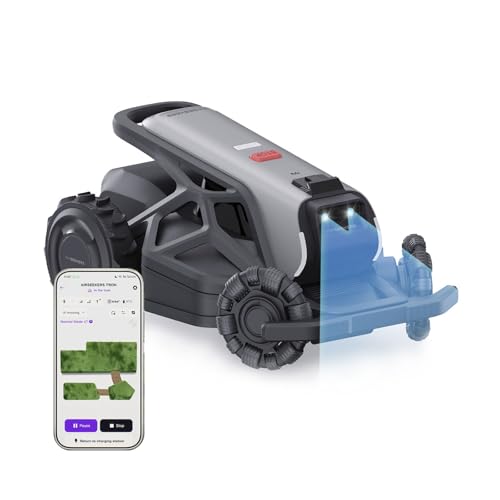
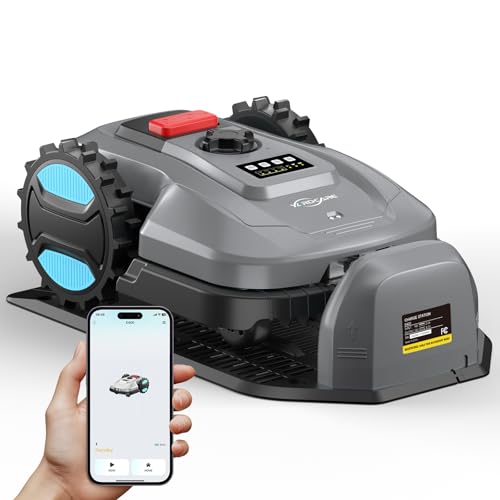
The YARDCARE Robot Lawn Mower is designed for homeowners with small to medium lawns up to 1/8 acre. It combines smart app control with a powerful brushless motor, making it a convenient and quiet solution for automated grass cutting. Ideal for those who want to save time without sacrificing lawn quality.
Standout features include the intuitive mobile app that lets you schedule mowing sessions, adjust settings, and monitor the mower remotely. The collision detection system uses a sensitive bumper to navigate around obstacles, while the auto-charging and rain sensor ensure the mower returns to its dock when needed. These features work together to provide worry-free operation even in unpredictable weather.
Design and build quality are solid, with an IPX5 weatherproof rating that withstands rain and splashes. The manual adjustable cutting height ranges from 0.8 to 2.4 inches, and the triple-blade design delivers a clean, even trim. Setup is straightforward with the included boundary wire and charging dock, requiring no specialized tools.
Potential drawbacks include the limited coverage area, which may not suit larger lawns. The boundary wire installation can take some time to lay out correctly. Additionally, as a newer model with no reviews yet, long-term reliability remains to be seen.
Overall, the YARDCARE robot lawn mower offers excellent value for its price, combining essential automation features with ease of use. It is a strong choice for first-time robot mower owners with small lawns who want a reliable, low-maintenance solution.

Pros
- App control for remote scheduling and monitoring.
- Self-charging ensures continuous lawn maintenance.
- Obstacle detection protects the mower and yard objects.
- Adjustable cutting height for customized lawn care.
- Quiet operation suitable for noise-sensitive environments.
Cons
- Requires boundary wire installation around the perimeter, which can be time-consuming for complex yards.
- No mention of rain sensor or GPS tracking, so it may mow in wet conditions or lack theft prevention.
- Limited to 4300 sq ft coverage; not suitable for larger properties without additional units.
The YARDCARE E400 Smart Robotic Lawn Mower is designed for homeowners who want a hands-off approach to lawn maintenance. It targets medium to large yards up to 4300 square feet, offering app-based control, automatic charging, and intelligent obstacle avoidance. This mower is ideal for busy professionals or families who value convenience and a consistently tidy lawn without the weekly chore of mowing.
Standout features include the advanced sensor system that detects and navigates around obstacles like trees, flower beds, and lawn furniture, reducing the risk of collisions. The auto-charging capability ensures the mower returns to its base when the battery runs low, then resumes cutting once recharged, so your lawn stays well-groomed with minimal effort. Additionally, the adjustable cutting height allows you to choose from several settings to achieve your preferred grass length, from a short golf-course look to a longer, more natural cut.
In terms of design and build quality, the YARDCARE E400 is a black, compact unit measuring roughly 20.5 x 15 x 9 inches. It feels sturdy and well-constructed, with a quiet motor that won't disturb your household or neighbors. The initial setup requires laying a boundary wire around the perimeter of your lawn, which can take an hour or two for an average yard, but once configured, the mower operates autonomously. The included charging station is straightforward to position, and the app interface is user-friendly for scheduling mowing sessions.
Potential drawbacks include the lack of a rain sensor, meaning the mower may continue to operate in wet grass, which could lead to clumping or messy cuttings. There is also no GPS geofencing or theft alarm, which might be a concern in unsecured yards. Additionally, the coverage limit of 4300 sq ft means larger properties would need to consider a different model or multiple units. The 4-star rating (based on limited data) suggests early adopters appreciate the quiet performance and reliable navigation, but long-term reliability remains to be seen.
Overall, the YARDCARE E400 is a solid choice for anyone with a medium-sized lawn who values automation and smart features. It excels in obstacle avoidance and self-charging convenience, though you should be prepared for boundary wire installation and the absence of rain detection. If those trade-offs are acceptable, this mower offers excellent value for the features provided.
Color: Black
Dimensions: 20.47 x 14.96 x 8.93 inches
Product Group: Lawn & Patio
Coverage Area: Up to 4300 sq ft
Power Source: Electric (battery-powered)
Control: App-controlled via smartphone
Charging: Automatic return to charging station
Cutting Height: Adjustable, multiple settings
Sensor Type: Advanced obstacle detection sensors
Noise Level: Quiet operation
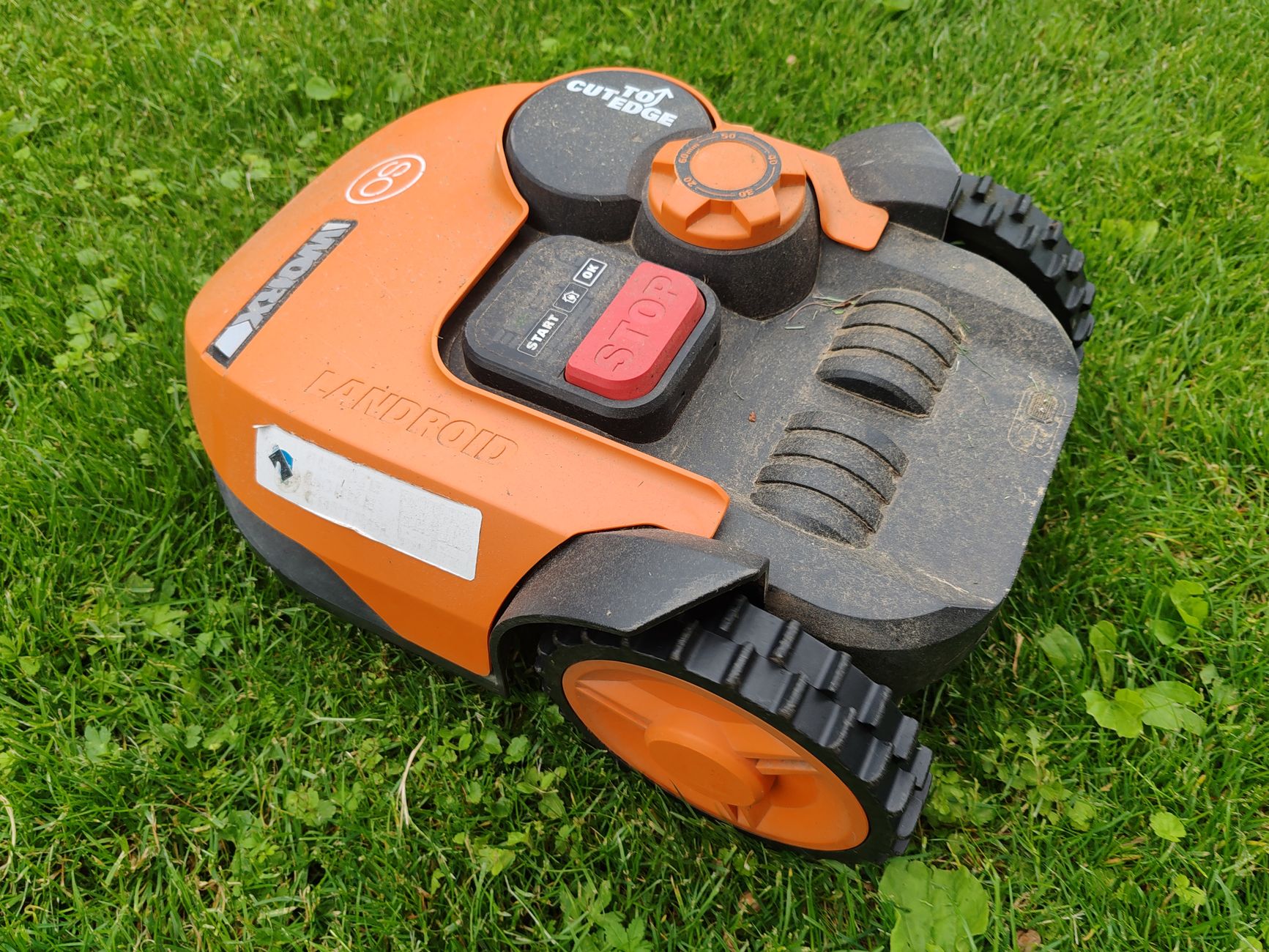
The exact mix of sensors varies by model, but the goal is always the same: avoid collisions with pets, people, trees, garden furniture, and lawn edges. Understanding how each sensor works helps you choose a mower that fits your yard and troubleshoot any detection issues.
Bump Sensors: The Physical Safety Net
Bump sensors are the simplest and most reliable form of obstacle detection. A mechanical bumper around the front of the mower triggers a microswitch when it makes contact with an object. The mower then reverses and turns away.
These sensors work even in heavy rain, dust, or low light, but they rely on physical contact. That means the mower will still touch the obstacle before reacting. For delicate items like flowerpots or small animals, this is not ideal.
Infrared and Ultrasonic Sensors: Short Range Detection
Infrared (IR) sensors emit a beam of light and measure the reflection to detect objects within a few inches. Ultrasonic sensors use sound waves instead of light. Both are effective for detecting transparent or dark objects that lidar might miss, such as glass patio doors or black plastic edging.
These sensors work best at close range, typically up to 12 inches. They help the mower slow down before bumping into an obstacle, reducing impact force. However, their accuracy can drop in direct sunlight or heavy rain.
Lidar: Long Range 360 Degree Scanning
Lidar (Light Detection and Ranging) uses a rotating laser beam to create a detailed map of the yard. It measures the time it takes for the laser to bounce back, building a 3D model of obstacles like trees, fences, and furniture. Lidar systems can detect objects up to 30 feet away.
This technology gives the mower a full 360 degree view, allowing it to plan a path that avoids obstacles entirely. Lidar works well in low light and most weather conditions, but it can be confused by very shiny surfaces or narrow gaps.
Camera and Vision Systems: Object Recognition
Some high end robot mowers add a camera or multiple cameras to the sensor suite. These cameras feed images to onboard AI that recognizes specific objects: a dog, a child, a garden hose, a toy. The mower can then decide whether to stop, go around, or wait for the object to move.
Vision systems are powerful, but they struggle in low light, fog, or heavy rain. They also require more processing power, which can affect battery life. Many mowers combine camera data with lidar and bump sensors for the best of both worlds.
GPS and RTK: Virtual Boundaries Without Wires
While not a direct obstacle detection method, GPS and RTK (Real Time Kinematic) systems define the mowing area and keep the mower from wandering into flower beds, driveways, or neighbor yards. The mower treats the boundary as a virtual obstacle it must not cross.
RTK provides centimeter level accuracy, making it possible to navigate around obstacles mapped in advance. If the GPS signal is lost under trees or near buildings, the mower may switch to other sensors or stop until it reconnects. This technology is becoming common in wire free robot mowers.
How Sensors Work Together in Practice
No single sensor type is perfect, so robot mowers use a fusion approach. For example, when the mower detects a large object with lidar, it slows down. As it gets closer, IR sensors confirm the exact distance. If the mower still bumps the object, the bumper sensor triggers a reverse turn.
This layered system reduces false alarms and ensures the mower handles unexpected obstacles, like a child’s toy that was not on the map. Over time, the mower learns the yard layout and remembers where obstacles are located, improving efficiency.
How to Improve or Fix Obstacle Detection Issues
If your robot mower is missing obstacles or bumping into things too often, here are practical steps to take:
- Clean all sensors regularly with a soft cloth to remove dirt, grass clippings, and spider webs.
- Check for firmware updates from the manufacturer, which may improve detection algorithms.
- Ensure the mower’s GPS or RTK antenna has a clear view of the sky, especially under dense trees.
- Remove temporary obstacles like garden hoses, children’s toys, or pet bowls before mowing.
- If using a camera based mower, make sure the lenses are clean and the area is well lit during operation.
For wire free mowers, a proper initial map is critical. Learn more about setting up a precise map in our guide on how to map a wire free robot mower. That post walks you through the steps to create a reliable map that helps your mower avoid obstacles more effectively.
Frequently Asked Questions
Can robot mowers detect small animals like cats or dogs?
Most robot mowers have bump sensors and infrared or ultrasonic sensors that detect animals at close range. However, a small animal lying still might not be detected until the mower makes contact. Vision based mowers can recognize animals and stop sooner.
What happens if a robot mower hits a rock or a tree root?
The bump sensor triggers a reverse and turn maneuver. The mower may also slow down after detecting the object with lidar or IR. Repeated impacts could damage the mower’s blades or chassis, so it’s better to remove large rocks before mowing.
Do robot mowers work in the dark?
Yes, many robot mowers operate at night. Lidar and bump sensors work fine in the dark. Camera based mowers may struggle, but some have built in LED lights or infrared illuminators to see in low light.
How accurate is obstacle detection on a robot mower?
Accuracy depends on the sensor suite. Lidar systems can detect objects within a few inches, while camera systems can identify specific objects. GPS based boundaries are accurate to a few centimeters with RTK. No system is 100% perfect, but modern mowers miss very few obstacles.
Can I add a boundary wire to a wire free robot mower?
No, wire free mowers are designed to work without boundary wires. They use GPS, RTK, or onboard sensors to define the mowing area. Adding a wire would not be compatible with the mower’s control system. If you need a boundary wire, choose a wired model instead.
Related Guides
Closing Thoughts
Robot mower obstacle detection relies on a smart combination of sensors, each with strengths and weaknesses. Understanding how they work helps you choose the right mower for your yard and keep it running smoothly. For a deeper look at how GPS and RTK enable precise navigation, see our article on how GPS robot lawn mowers work.