

Understanding LiDAR Navigation in Robot Lawn Mowers
LiDAR robot lawn mowers use laser scanning to map and navigate your yard with precision. Here's what the technology does and how it compares to other navigation systems.
We independently review everything we recommend. When you buy through our links, we may earn a commission. As an Amazon Associate we earn from qualifying purchases. Learn more ›
LiDAR robot lawn mowers use laser scanning to map and navigate your yard with precision. Here's what the technology does and how it compares to other navigation systems.

A weak RTK signal on your robot mower usually means an obstructed base station, rover interference, or radio noise. Here’s how to diagnose and fix each issue.
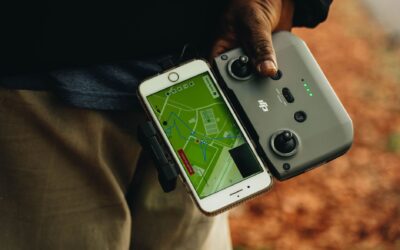
Robot mowers rely on GPS to navigate, but signal loss can happen. Find out why and how to fix it.

If your robot mower's RTK signal keeps dropping near trees, here are the real causes and what you can do to restore reliable positioning.

Understanding your robot mower's RTK antenna range helps you set up for reliable coverage. Learn what factors limit range and how to get the best performance.

Getting the RTK antenna height right is key to reliable robot mower positioning. Here are the factors that determine the ideal mounting height and how to find yours.

Getting the RTK station in the right spot is critical for accurate mowing. Here's exactly where to put it and what to avoid.

RTK mowers rely on satellite signals and base station communication. Here is why line of sight matters and how to optimize it.

No, an RTK robot mower does not need WiFi for its core precision navigation. But there are some features that do rely on a WiFi connection. Here is what you need to know.

RTK robot mower accuracy depends on GPS signal strength, terrain obstacles, and calibration. Here's what actually impacts how precisely your mower cuts.