

Yes, robot lawn mowers are generally safe when used according to the manufacturer’s instructions. Modern models include multiple safety features such as lift sensors, tilt sensors, and collision detection that stop the blades immediately if the mower is picked up or tipped over. However, like any power tool, they carry some risks if not properly maintained or supervised. Understanding these risks helps you use your robot mower safely and confidently.

Pros
- Affordable solution compared to mower manufacturer proprietary tools
- Secure grip prevents blade movement during screw removal
- Works with multiple popular robotic mower models
- Easy to use with no special skills required
- Lightweight and easy to store
Cons
- Compatibility only confirmed for listed models; may not fit other brands or newer versions
- Generic build may not be as robust as dedicated manufacturer tools
- Single-purpose tool limited to blade changes only
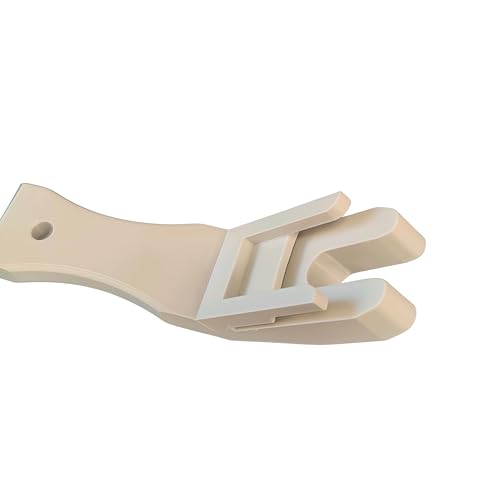
The Generic Blade Changing Tool is a simple yet effective accessory designed for owners of robotic mowers like the Mammotion LUBA, Segway Navimow i105, and Yuka Mini 600. Its primary purpose is to make blade replacement safer and much less frustrating by holding the blade securely in place while you remove or tighten the screw.
This fork-shaped tool grips the blade firmly, eliminating the risk of it spinning or shifting unexpectedly. In practice, this means you can swap out dull blades in minutes without struggling or worrying about cutting yourself. The included mounting hole also adds convenience for storage, keeping the tool within arm's reach near your workbench or garage.
Build quality is adequate for intermittent home use: the plastic construction feels solid enough for the job, though it won't survive heavy abuse. The black finish helps hide scuffs and grease stains, which is a nice touch for a maintenance tool. However, users should note that compatibility is limited to the listed models Verifying fitment with your specific mower model is recommended.
One minor drawback is the lack of detailed instructions; first-timers may need to watch a quick video online to understand the correct placement. Additionally, the tool's single-function design means it won't assist with other mower maintenance tasks. But for the low price, these limitations are easily forgiven.
Overall, the Generic Blade Changing Tool delivers exactly what it promises: a safer, faster way to change robotic mower blades. If you own a compatible model and value convenience and safety during routine upkeep, this inexpensive tool is a worthy addition to your kit.



Pros
- No boundary wire installation needed, saving time and effort.
- RTK+Vision navigation provides precise and reliable mowing.
- Advanced obstacle avoidance protects lawn items and pets.
- Fully customizable via app for personalized lawn care.
- Automatic scheduling frees up your weekends.
Cons
- Maximum lawn size of 1/4 acre may not accommodate larger yards.
- The initial setup requires a clear line of sight for RTK base station (typical for RTK systems).
- The product is new with no customer reviews, so long-term reliability is unknown.
The ECOVACS Goat O1000 RTK is a wire-free robot lawn mower designed for homeowners with lawns up to 1/4 acre. It eliminates the need for boundary wires, using RTK and Vision technology for precise navigation and mapping. This makes it an ideal choice for those who want automated lawn care without the installation hassle.
The standout feature is the RTK+Vision+3D ToF navigation system that provides centimeter-level accuracy. Combined with AIVI 3D obstacle avoidance, the mower can detect and avoid furniture, toys, and pets while navigating narrow passages and slopes. In real-world use, this means reliable mowing with minimal intervention.
The Goat O1000 RTK has a compact design at 23.6 x 10.4 x 15.8 inches and weighs 23.6 pounds. It is built with durable materials to withstand outdoor conditions. The TruEdge edge cutting system ensures clean cuts along borders, giving a manicured look to your lawn.
One potential drawback is the lawn size limit of 1/4 acre, which may not be enough for larger properties. Additionally, the price is on the higher end, and the product is new with no customer reviews yet, so long-term reliability is not proven. Battery life information is also not provided, which could be a concern for larger lawns.
Overall, the ECOVACS Goat O1000 RTK is a feature-rich robot mower that offers convenience and precision. It is best suited for small to medium lawns where wire-free installation is a priority. If you are looking for a fully automated mowing solution with advanced navigation, this is a strong contender.
Dimensions: 23.62 x 10.35 x 15.75 inches
Weight: 23.58 pounds
Color: Black
Product Group: Lawn & Patio
How Blade Safety and Collision Detection Work
The most common concern about robot lawn mowers is the rotating blades. All reputable models have a lift sensor that stops the blades within milliseconds if the mower is lifted off the ground. Additionally, collision detection sensors help the mower avoid obstacles like rocks, toys, or garden furniture, reducing the chance of blade damage or debris ejection.
Some models also include bump sensors or front bumpers that trigger a reverse and turn when they hit something. Combined with the low blade height, these features make accidental contact with the blades unlikely for adults and pets. Still, you should never deliberately touch the mower while it is operating.
Weather and Environmental Safety Considerations
Most robot mowers are designed to operate in light rain, but heavy rain poses electrical and traction risks. If the mower gets stuck in a puddle or on wet grass, water could enter the chassis. Always check the IP rating of your model and avoid running it in severe weather. Some mowers automatically return to the charging station when rain is detected.
Temperature extremes can also affect battery safety. Lithium-ion batteries can degrade in high heat or cold. Store the mower in a garage or shed during extreme weather if possible. The mower’s software may also limit operation in very hot conditions to prevent overheating.
Are Robot Mowers Safe for Pets and Children?
Pets and children are naturally curious, and a moving robot mower can be intriguing. While the blades stop quickly upon lift, the mower itself could cause a minor collision or startle an animal. Most manufacturers recommend supervising the first few mowing cycles and keeping pets indoors during operation.
Some advanced models include camera-based obstacle detection that can identify animals and avoid them. If you have small pets, consider a mower with this feature. Additionally, setting up boundary wires or virtual fences can keep the mower away from play areas. For more details, see our guide on whether robot mower cameras can detect animals.
How to Protect Your Robot Mower from Theft
Robot mowers are valuable devices left outside, making them a potential target for theft. Many models have built-in anti-theft features like PIN codes, GPS tracking, and alarms. Some also require a dock to be present for operation, so the mower cannot be used without the base station.
To further secure your mower, consider installing a fence or locking the charging station. You can also register the mower’s serial number with the manufacturer. While theft is rare, these measures give you peace of mind.
Electrical Safety and Fire Prevention
Robot mowers are powered by rechargeable lithium-ion batteries, which can pose a fire risk if damaged or improperly charged. Always use the manufacturer’s charger and avoid charging in extreme temperatures. Inspect the charging contacts regularly for debris or corrosion.
Most modern mowers have built-in battery management systems that prevent overcharging and overheating. If you notice any swelling, unusual heat, or burning smell, stop using the mower immediately and contact the manufacturer. Following these precautions keeps electrical risks minimal.
How to Ensure Your Robot Mower Stays Safe
- Read the manual and follow all safety instructions for your specific model.
- Set up boundary wires or virtual fences to keep the mower away from roads, pools, and play areas.
- Supervise the first few mowing sessions, especially if you have pets or children.
- Keep the mower’s software and firmware updated to benefit from the latest safety improvements.
- Inspect the blades and charging contacts regularly for wear or debris.
- Store the mower indoors during extreme weather or when not in use for extended periods.
Understanding how your mower detects and avoids obstacles is central to safe operation. For a deeper look at the technology behind this, read our article on how robot mower obstacle detection works.
Related Guides
- Best ECOVACS Robot Mower Reviews for 2026
- Robot Mower Losing GPS Signal
- How Does GPS Robot Lawn Mower Work
- Best Robot Mower for Long Grass: Top 9 Picks
Frequently Asked Questions
Can a robot lawn mower hurt a pet?
While the blades stop quickly if the mower is lifted, a pet could still be startled or suffer a minor bump from the mower’s body. It’s best to keep pets indoors during operation and consider a model with animal detection if you have small animals.
What happens if a robot mower hits a rock?
Most mowers have collision detection that causes them to reverse and turn away from obstacles. However, larger rocks may still cause the blades to dull or break. Regularly inspect your lawn for debris before each mowing cycle.
Are robot mowers safe to use in the rain?
Many models are rated for light rain, but heavy rain can damage the electronics and reduce traction. Check your mower’s IP rating (IPX4 or higher is typical) and let it return to the dock when rain is detected. Avoid operating in thunderstorms.
Can robot mowers be stolen?
Yes, but most models have anti-theft features like PIN codes, GPS tracking, and alarms. Some also require the dock to be present to operate. You can further secure your mower by locking the charging station and registering the serial number.
Do robot mowers have an emergency stop?
Yes, all robot mowers have a physical stop button or switch that immediately halts the blades. Additionally, lifting the mower activates the lift sensor, stopping the blades. Always know where the emergency stop is located before operating.
Robot lawn mowers are safe when used responsibly, with features designed to protect people, pets, and property. By understanding the risks and following proper setup and maintenance, you can enjoy a well-manicured lawn with peace of mind. For a comprehensive look at how these machines navigate safely, check out our guide on how robot mower obstacle detection works.


