You have a medium to large lawn and you are tired of pushing a mower every weekend. You want a robot that handles slopes, avoids obstacles, and cuts reliably without constant babysitting. Two names keep coming up: Segway Navimow and Yuka Mini. Both promise hands free mowing, but they take very different approaches. This guide breaks down how they compare in navigation, cutting performance, and smart features so you can pick the right one for your yard in 2026.
For a broader look at how Segway stacks up against other top brands, check out our segway navimow vs mammotion luba.

Buying Guide
Navigation and Boundary Management
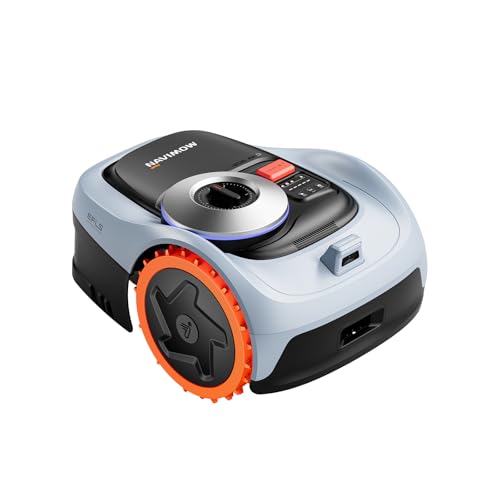
The biggest difference between these two mowers is how they handle boundaries. The Segway Navimow uses a virtual boundary system that relies on GPS and RTK positioning. You define the mowing area and no go zones entirely through the app. No wires to bury, no pegs to drive into the ground. This makes installation much faster and allows you to change the layout anytime with a few taps on your phone.
The Yuka Mini, on the other hand, uses a traditional boundary wire. You must lay a physical wire around the perimeter of your lawn and secure it with pegs. While this system is proven and works well for simple yards, it takes more time to install and is harder to adjust later. If you have a complex lawn with lots of obstacles or plan to change your garden layout frequently, the Navimow’s virtual boundary is a clear advantage.
Cutting Performance and Blade Design
Both mowers use rotating blades to cut grass, but the design and adjustability differ. The Segway Navimow features a floating blade disc that adapts to uneven terrain, helping to prevent scalping on bumps and dips. It offers multiple cutting height settings that you can adjust directly from the app, giving you precise control over the final look of your lawn.
The Yuka Mini uses a simpler blade system with manual height adjustment. You set the cutting height by turning a knob on the mower itself. This is less convenient than app based control, but it is reliable and easy to understand. For yards with mostly flat, even surfaces, the Yuka Mini’s blade design works perfectly well. For lawns with slopes or uneven ground, the Navimow’s floating disc helps maintain a more consistent cut.
If you deal with particularly challenging terrain, you might also find our guide to all terrain mowers for hilly lawns helpful.
Smart Features and App Experience
The app experience is a major differentiator. The Segway Navimow app is polished and feature rich. You can schedule mowing sessions, set no go zones, monitor battery level, and even view a map of where the mower has already cut. The app also supports firmware updates, so your mower keeps improving over time. The setup process is guided and intuitive, which is great for first time robot mower owners.
The Yuka Mini app is more basic. It allows scheduling and basic controls, but the mapping and no go zone features are less advanced. You do not get a real time map of the mowing progress, and the interface feels less modern. If you enjoy tweaking settings and monitoring your mower remotely, the Navimow app offers a much better experience.
Battery Life and Charging
Battery life determines how large a lawn a mower can handle in a single charge. The Segway Navimow typically runs for about 60 to 90 minutes depending on the model and terrain, and it automatically returns to its charging dock when the battery runs low. After charging, it resumes mowing exactly where it left off. This works well for lawns up to about half an acre.
The Yuka Mini has a slightly shorter runtime, usually around 45 to 60 minutes. It also auto returns and resumes, but the smaller battery means it may need to recharge more often for larger lawns. If your yard is on the smaller side, this difference is minor. For larger properties, the Navimow’s longer runtime is a clear benefit.
For rocky or uneven terrain, battery efficiency can vary. Check our recommendations for rocky terrain robot mowers for more insights.
Final Thoughts
Choosing between the Segway Navimow and Yuka Mini comes down to your lawn’s complexity and how much you value convenience. If you have a straightforward, flat lawn and prefer a lower upfront cost, the Yuka Mini is a solid, reliable choice that gets the job done. But if your yard has slopes, obstacles, or you simply want the easiest installation and the most advanced app control, the Segway Ninebot C2 Go Kids Electric Scooter (part of the Segway ecosystem) and the Segway Ninebot C2 Go Kids Electric Scooter reflect the brand’s commitment to smart, user friendly design, and the Navimow line carries that same philosophy into your lawn.
Related Guides
- Best Segway Navimow X430 Accessories for 2026
- Compare Top Segway Navimow i Series Models for 2026
- Segway Navimow vs Dreame
Frequently Asked Questions
Which robot mower is easier to install, Segway Navimow or Yuka Mini?
The Segway Navimow is much easier to install because it uses GPS guided virtual boundaries with no need for a perimeter wire. The Yuka Mini requires laying a physical boundary wire around your lawn, which takes more time and effort. For most users in 2026, the Navimow’s wire free setup is a major convenience.
Can the Segway Navimow handle slopes better than the Yuka Mini?
Yes, the Segway Navimow is generally better on slopes thanks to its floating blade disc and more advanced traction control. It can handle inclines up to about 25 degrees on some models. The Yuka Mini is suitable for gentle slopes but may struggle on steeper grades. Always check the slope rating for your specific model before purchasing.
Do both mowers work with smart home systems like Alexa or Google Home?
The Segway Navimow offers limited smart home integration through its app, but native voice assistant support is not standard. The Yuka Mini does not currently support Alexa or Google Home integration. Both mowers rely primarily on their own mobile apps for control and scheduling in 2026.
Which mower is better for a lawn with many flower beds and obstacles?
The Segway Navimow is the better choice for complex lawns because its app lets you create detailed no go zones around flower beds, trees, and other obstacles. The Yuka Mini relies on the boundary wire to define the mowing area, which makes it harder to exclude specific sections without additional wiring. For intricate landscapes, the Navimow offers much more flexibility.