

You finish mowing, but the lawn looks ragged, with brown tips and torn grass blades. That is the classic sign of a dull mower blade. A sharp blade slices cleanly, while a dull one hammers the grass, leaving it stressed and vulnerable to disease. The fix is straightforward: you need to sharpen your blade, and the right tool makes the job quick and safe.
This guide covers three practical sharpeners that work with tools you likely already own, like a power drill or angle grinder. We explain what to look for, how each type works, and which one fits your workshop style. Whether you maintain a small city lawn or a sprawling suburban yard, keeping your blade sharp is non-negotiable for a healthy turf. For more on choosing the right mower for your space, check our roundup of the best small lawn mowers for small yards.


Buying Guide: What to Look for in a Lawn Mower Blade Sharpener
Before you pick a sharpener, consider your existing tools and how often you plan to maintain your blade. Here are the three most important factors to weigh.
Compatibility with Your Drill or Grinder
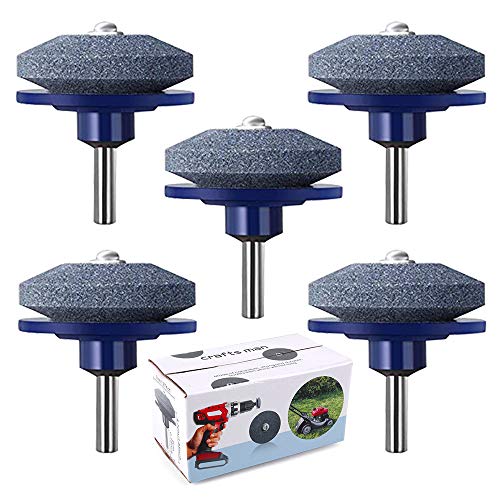
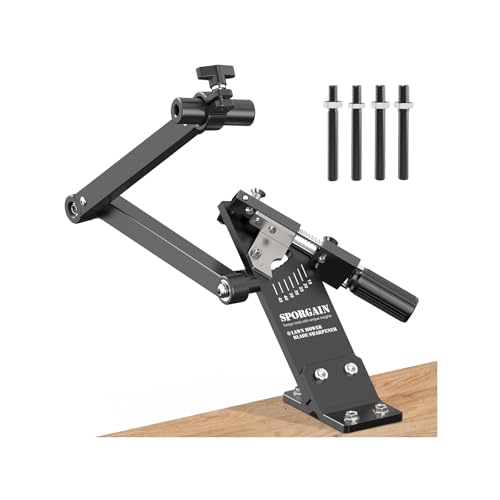
Most drill-mounted sharpeners fit any standard power drill with a chuck, but not all are created equal. Some models, like the cenoz Crafts Man Lawn Mower Blade Sharpener, are designed for universal fit, while others require specific adapters. If you prefer using an angle grinder, look for a jig that includes mounting screws and a sturdy frame, like the SporGain [Updated Lawn Mower Blade Sharpener. Check your tool’s spindle size and the sharpener’s mounting system before buying.
For cordless drills, pay attention to the recommended RPM. The HIMOEPA Lawn Mower Blade Sharpeners advises running the drill around 4000 RPM for optimal results, so ensure your drill can sustain that speed without overheating.
Ease of Setup and Use
You want a sharpener that you can set up in minutes, not one that requires a engineering degree. The cenoz sharpener claims a 10-second install, while the SporGain jig needs clamping to a workbench and angle adjustments. Think about your comfort level with tools: if you want a quick fix, a drill attachment is foolproof. If you enjoy precision work, an adjustable jig gives you more control over the bevel angle.
Also, consider how many blades you sharpen per season. A simple attachment is fine for one or two mowers, but a jig pays off if you maintain multiple machines or help neighbors.
Build Quality and Durability
Sharpening generates heat and friction, so the abrasive material and base matter. Look for sharpeners made with brown corundum or similar industrial abrasives, as they resist heat and last longer. The HIMOEPA model features a stainless steel base to avoid the warping common with plastic bases. The SporGain jig uses a metal frame with ball bearings for smooth operation. A well-built tool will survive years of use.
If you’re on a tight budget, you can still get a reliable sharpener without overspending. Browse our list of affordable small lawn mowers to pair with your new sharpener.
Precision and Adjustability
A sharp blade has a consistent bevel angle, usually between 30 and 45 degrees. Fixed-angle sharpeners are simple but may not match your blade’s original geometry. The SporGain jig offers 15° to 45° adjustment, letting you match the factory edge or customize for different grass types. For most homeowners, a fixed angle around 30° works fine, but if you’re particular about cut quality, adjustability is a plus.
Remember to balance the blade after sharpening to prevent vibration. Some kits, like the HIMOEPA, include a balancer, which is a handy bonus.
Final Thoughts
Choosing the right sharpener comes down to your workshop and how much effort you want to invest. For a quick, no-fuss solution, the cenoz Crafts Man Lawn Mower Blade Sharpener is a budget-friendly pick that works with any drill and includes five stones, so you always have a spare. If you want professional-level precision and don’t mind a bit of setup, the SporGan [Updated Lawn Mower Blade Sharpener offers adjustable angles and a sturdy jig for consistent results every time. Whichever you choose, a sharp blade will make mowing faster and your lawn healthier.
Related Guides
- Best Aftermarket Robot Mower Blades for 2026
- Navimow Blade Assembly Review
- LUBA 2 Replacement Blades Review
Frequently Asked Questions
How often should I sharpen my lawn mower blade?
You should sharpen your blade every 20 to 25 hours of mowing, which typically means once or twice a season for most homeowners. If you mow frequently or hit rocks and roots, you may need to sharpen more often. Check the blade visually: if the edge looks rounded or nicked, it’s time to sharpen.
Can I sharpen a lawn mower blade without removing it?
Some people use a file or angle grinder while the blade is still attached, but it’s safer and more effective to remove the blade. Removing it lets you see the entire edge and maintain a consistent angle. Plus, you can balance the blade after sharpening to avoid vibration. Always disconnect the spark plug before working under the mower.
What is the best angle to sharpen a lawn mower blade?
Most mower blades have a factory bevel between 30 and 45 degrees. For a standard walk-behind mower, a 30 to 35 degree angle works well. If you have a mulching blade, a slightly steeper angle (around 45 degrees) helps chop clippings finer. Use an adjustable jig to match the original angle, or stick with a fixed sharpener that’s preset to a common angle.
Do I need to balance the blade after sharpening?
Yes, balancing is essential because an unbalanced blade causes excessive vibration, which can damage the mower’s spindle and engine. Most sharpeners remove more material from one side than the other, so you must check balance. Use a blade balancer tool, which is often included with kits like the HIMOEPA, and file down the heavy side until it stays level.
For more lawn care tips, explore our small lawn mower guides or see the latest budget-friendly mower accessories to upgrade your mowing routine.


